The Software-Defined Vehicle: Navigating the Automotive Industry’s Biggest Shift
AUTOMOTIVE TECHNOLOGY | OCTOBER 16, 2025
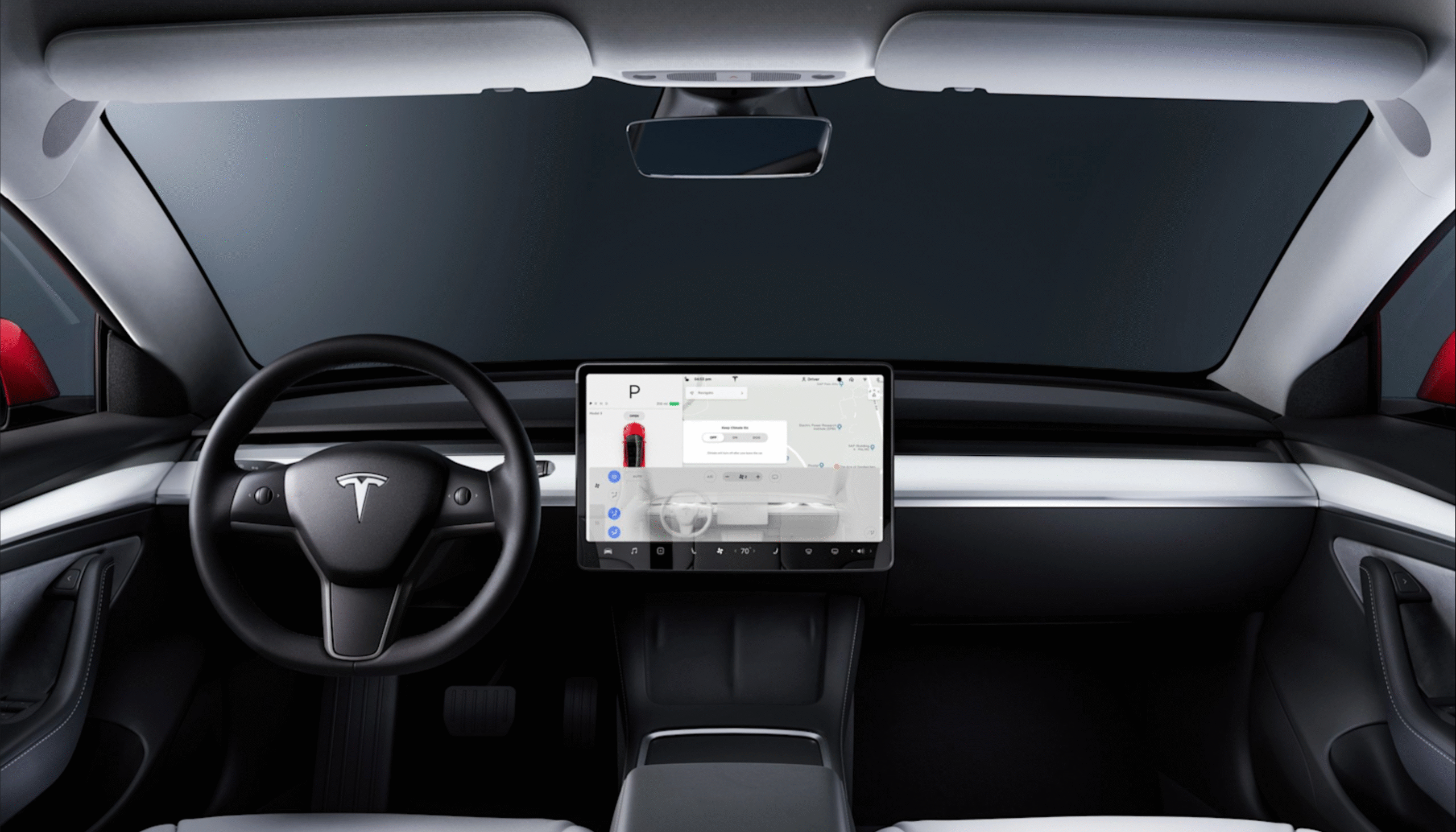
The automotive industry stands at an unprecedented inflection point. What was once a feat of mechanical engineering is rapidly evolving into a software-first platform, representing the most significant shift since the internal combustion engine.
A Trillion-Dollar Transformation
The global software-defined vehicle (SDV) market, valued at $422 billion in 2024, is projected to reach an astounding $3.9 trillion by 2035.
What Are Software-Defined Vehicles?
SDVs represent a paradigm shift where software controls nearly every aspect of a vehicle’s functionality. Instead of relying on dozens of individual controllers, SDVs consolidate computing power, enabling:
-
✓
Continuous improvement via over-the-air (OTA) software updates. -
✓
AI-powered personalization that adapts to the driver. -
✓
New revenue streams through subscription-based features.
The Architecture Revolution
Traditional Vehicles
Rely on over 100 separate Electronic Control Units (ECUs), creating complexity, high costs, and limited flexibility.
Software-Defined Vehicles
Consolidate functions into powerful, centralized computers, enabling rapid updates and advanced AI.
Strategic Imperatives for OEMs
💻Develop In-House Software Talent
OEMs must pivot R&D from mechanical engineering to software, cloud technologies, and AI, either by building teams or forging strategic partnerships.
🔒Prioritize Cybersecurity
Connected SDVs expand the potential attack surface. Compliance with standards like ISO/SAE 21434 is no longer optional but mandatory for global market access.
Implementation Roadmap: Practical Steps
For OEMs:
- Adopt centralized platforms and zonal hardware architectures.
- Establish robust ML Operations for data validation and model updates.
- Implement strong OTA governance with canary testing and regulatory logging.
For Dealers:
- Upskill service teams in software diagnostics and OTA troubleshooting.
- Digitize the customer onboarding process for accounts and subscriptions.
- Position dealerships as “Experience Centers” for digital services.
Conclusion: The Imperative for Transformation
The shift to SDVs is a present-day commercial and regulatory imperative. The window for successful transformation is narrowing as software-native competitors gain market share. The industry’s future belongs to organizations that master the integration of software, AI, and cloud technologies while upholding the safety and quality that define automotive excellence.